 Examples are amplitude modulation (AM) in which the amplitude (strength) of the carrier wave is varied by the modulation signal, and frequency modulation (FM) in which the frequency of the carrier wave is varied by the modulation signal.
 This guide delves into the basics of modulation, explores its diverse applications, highlights its essential functions, and provides an overview of its different types, including analog and digital modulation techniques.
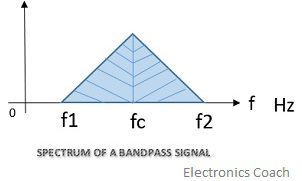 Definition: Modulation, the process in which the carrier signal is varied according to the information bearing signal also called the modulating signal. During modulation, some characteristics it can be amplitude, frequency, or phase is varied in accordance with the original information-bearing signal that has to be transmitted.
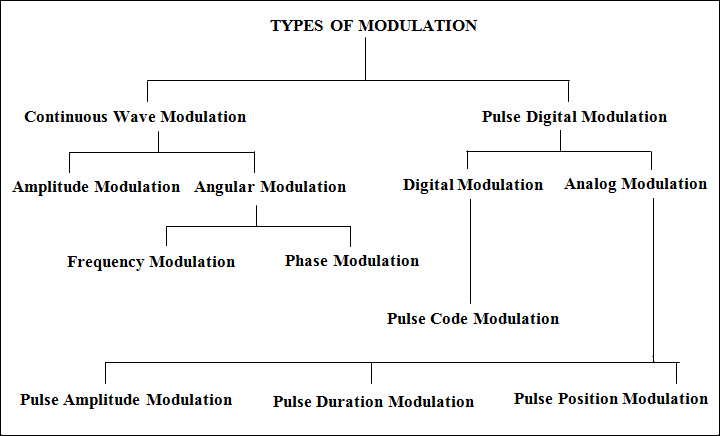 Complete guide about different types of modulation techniques and their applications - PWM, Amplitude Modulation, Frequency Modulation, Phase Modulations.